Strategic Integrated
Planning Model

This case study critically analyzed a Nike campaign to evaluate how its strategies, tactics, and brand positioning performed in practice.
The analysis examined the approaches Nike successfully executed and the strategic and tactical gaps that caused the campaign to miss key opportunities.
By assessing desired versus perceived brand meaning, this deconstruction highlighted where the campaign aligned with Nike’s legacy and where it fell short in reinforcing its intended brand perception.
Statement of Problem
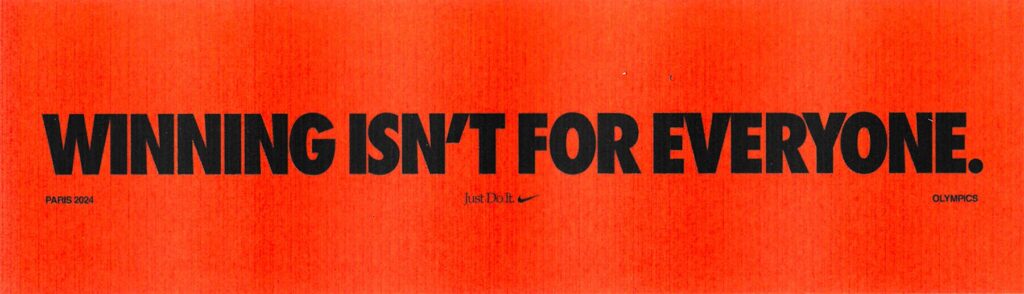
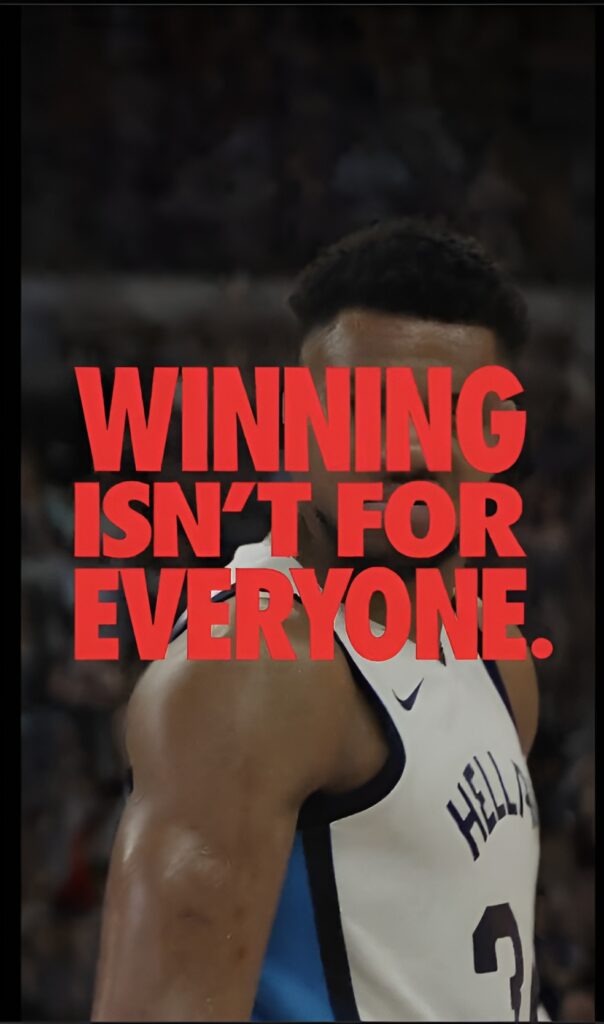
Facing increased competition and declining sales, Nike launched the Winning Isn’t for Everyone campaign ahead of the Paris Olympics 2024 to reinforce its leadership in athletic excellence.
While the campaign aimed to celebrate elite performance, it was widely criticized for appearing elitist and misaligned with Olympic values of inclusivity and participation.
Audience backlash and poor performance across brand perception and purchase intent revealed a disconnect between Nike’s intended message and public response, highlighting the need for strategic realignment.
Situational Analysis
Strengths
Nike demonstrated strong brand equity through high global brand recognition, a diverse product portfolio, and partnerships with elite athletes that reinforced credibility and performance leadership. Its continued investment in innovation and product quality supported its positioning as a premium athletic brand.
Weaknesses
The brand faced reputational risks tied to past controversies, declining revenue and market share, and dependence on third-party manufacturing. Premium pricing also limited accessibility for cost-conscious consumers in an increasingly competitive market.
Opportunities
Nike held growth potential through expansion into new and emerging markets, increased investment in sustainability, and major global sporting events such as the 2026 FIFA World Cup, which presented opportunities to strengthen both revenue and brand relevance.
Threats
Intense market competition, counterfeit products, potential tariff-related costs, and rapidly shifting consumer preferences posed ongoing challenges to Nike’s market position.
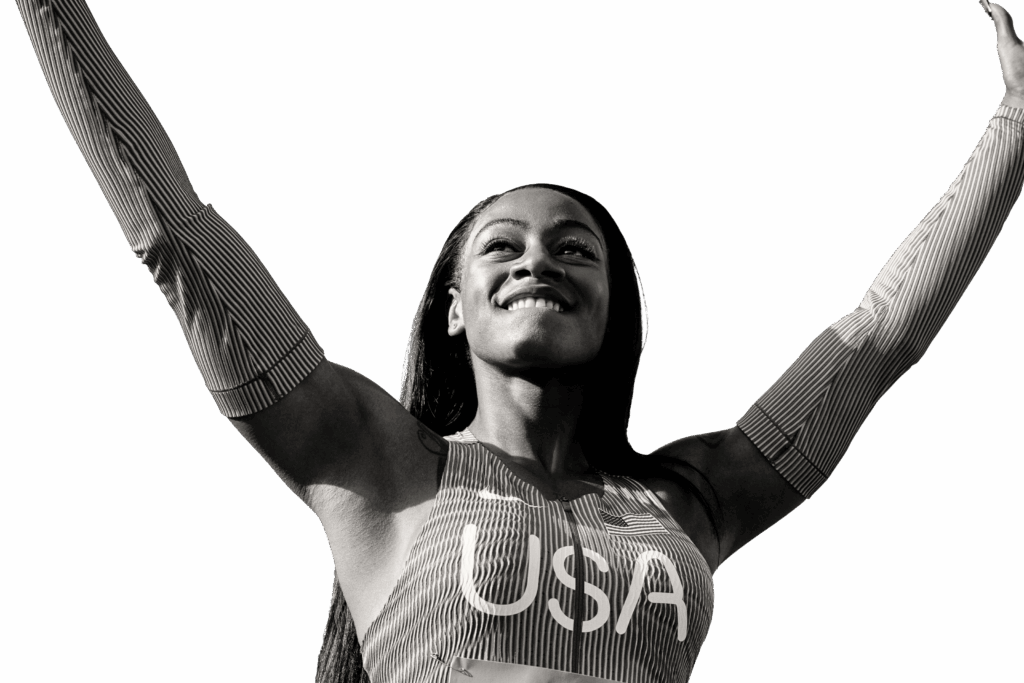
“As a child, anything I did, I didn’t
Sophia Smith,
see a point unless I was doing it to
win. That’s still the case.”
Team USA Global Football
Strategic Insights
The campaign’s performance-driven messaging created reputational risk by conflicting with Nike’s broader brand promise of inclusivity and empowerment. While endorsements from high-profile athletes strengthened credibility, an overreliance on elite figures reinforced perceptions of exclusivity rather than inspiration.
Additionally, positioning success solely around winning overlooked how audiences interpret major sporting moments through values such as teamwork, effort, and participation.
Communication Goals and Objectives
Nike’s campaign used elite-athlete endorsements to legitimize winning as an athletic mindset and to reinforce its brand voice centered on ambition and excellence. Launched ahead of the Olympics, it aimed to reframe competitiveness as passion and grit while motivating audiences to pursue greatness.
The campaign set objectives to increase brand recognition among competitively minded audiences, drive social media engagement, and improve brand approval among Gen Z and Millennials. Although it achieved strong digital engagement, the results exposed a disconnect between attention-driven success and alignment with Nike’s broader inclusive brand values.
Current Brand Perception
Before the campaign, Nike was widely viewed as a bold, inclusive brand that consistently aligned itself with cultural progress and empowerment. Following the campaign, perceptions shifted as the message was interpreted as elitist, weakening Nike’s inclusive positioning and leaving everyday athletes feeling excluded rather than inspired.
Desired Brand Perception
Nike’s desired perception should be to bring back its image of empowering all athletes* (if you have a body, you are an athlete as per Nike), from professional Olympians to everyday runners and casual wearers. It needs to continue leading cultural conversations and unite diverse communities through sport.
Strategies
1
Celebrity endorsements
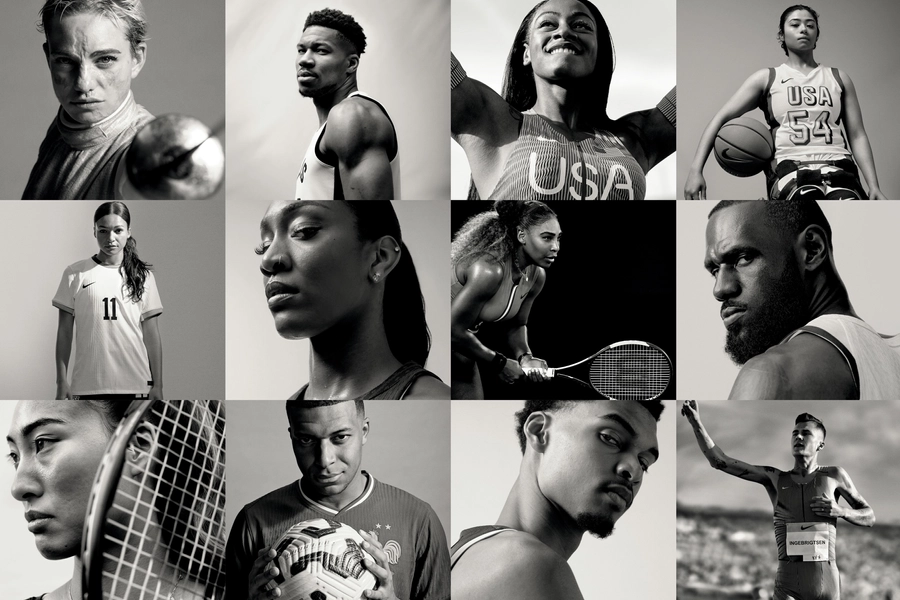
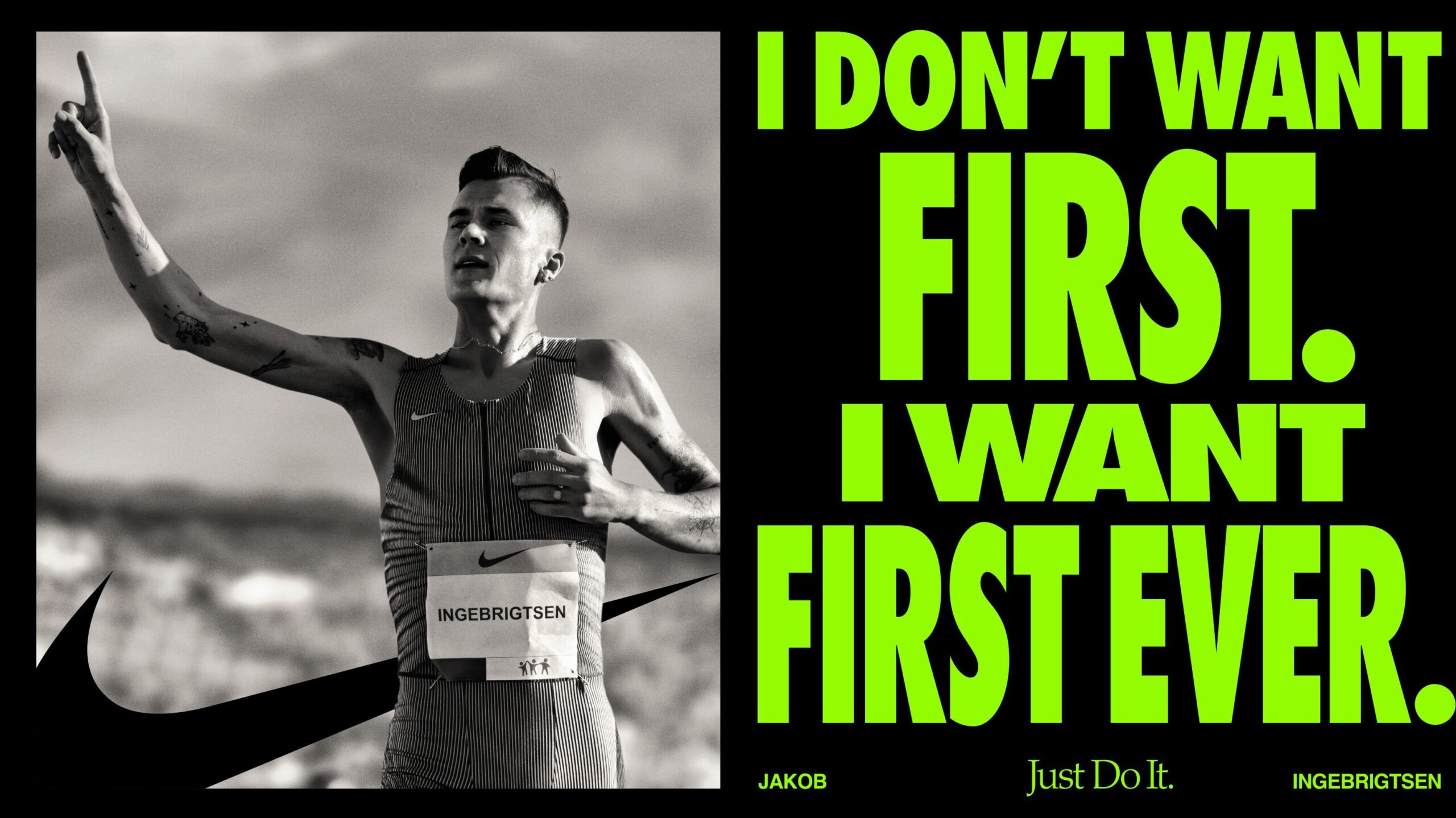
Nike partnered with diverse athletes, creators, and influencers who shared their own stories of “winning,” humanizing the brand and highlighting struggle, self-discovery, and achievement.
2
Launching before the Olympics
The campaign timed its release to capitalize on Olympic attention, framing the global conversation around competition and victory.
3
Bold statements and controversy
Nike used provocative messaging to spark debate on ambition and failure, reframing “winning” as a complex, emotional journey.
4
Dominant but balanced tone
The campaign aimed for an assertive yet motivational tone to inspire audiences without alienating them, but the emphasis on elite achievement conflicted with the inclusive values of the Olympics.
Tactics
Paid Media
Social Media Sponsorships
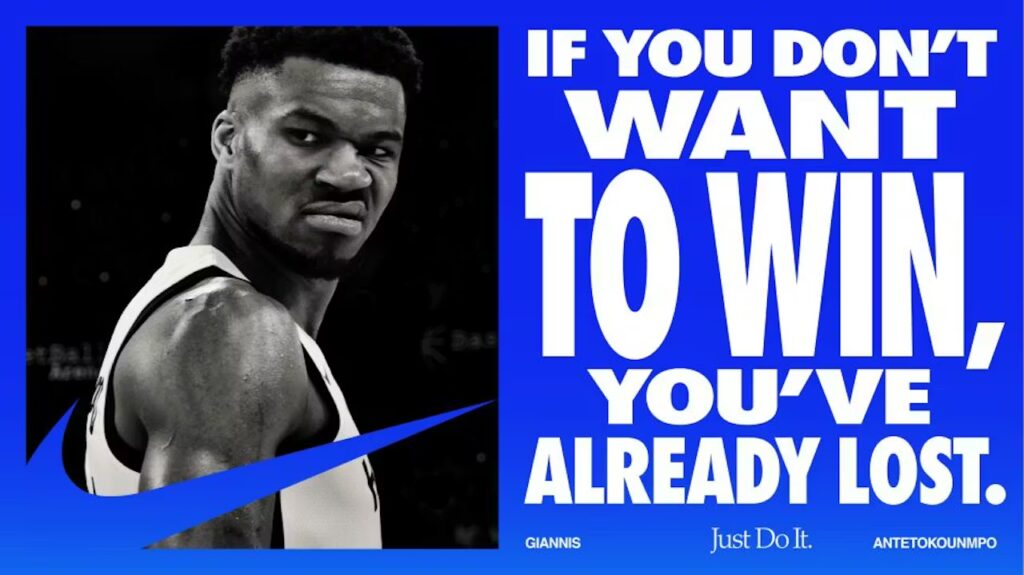
Nike partnered with high-profile athletes such as LeBron James, Serena Williams, and Kylian Mbappé to create sponsored content for Instagram, TikTok, and YouTube. Ads also appeared on billboards domestically and internationally, boosting visibility and credibility.
Video Advertising
Targeted ads ran on sports streaming platforms, social feeds, and relevant websites, using emotional messaging and behind-the-scenes athlete moments.
Earned Media
Media Coverage
Media coverage across news outlets and lifestyle publications highlighted the creative concept and broader conversation around winning, generating awareness even through negative reviews.
Shared Media
Social Media
Athlete videos and images were shared across Instagram and TikTok, with the hashtag #winningIsntForEveryone encouraging user-generated content and community engagement.
Owned Media
Newsroom
Nike leveraged its newsroom and website to host in-depth campaign content, including athlete profiles, behind-the-scenes videos, interviews, and curated user content, allowing control over the narrative.
Disclaimer: This project was created solely for academic purposes. The brand(s) referenced were used as part of a class assignment, and this work is not affiliated with, endorsed by, or produced in collaboration with the company.
Kajal Reddy
This is just the beginning.
©KRP