Crisis Analysis, PESO model


Bumble faced backlash in 2024 after a paid billboard campaign promoting its “Opening Moves” feature used messaging that was widely criticized as dismissive of celibate and asexual communities.
While the campaign generated high visibility, it revealed gaps in stakeholder testing and environmental awareness.
Using the PESO framework, this analysis shows how earned and shared media amplified the crisis and how Bumble’s reactive apology and corrective actions helped contain, but not fully control, the narrative.
Statement of Problem
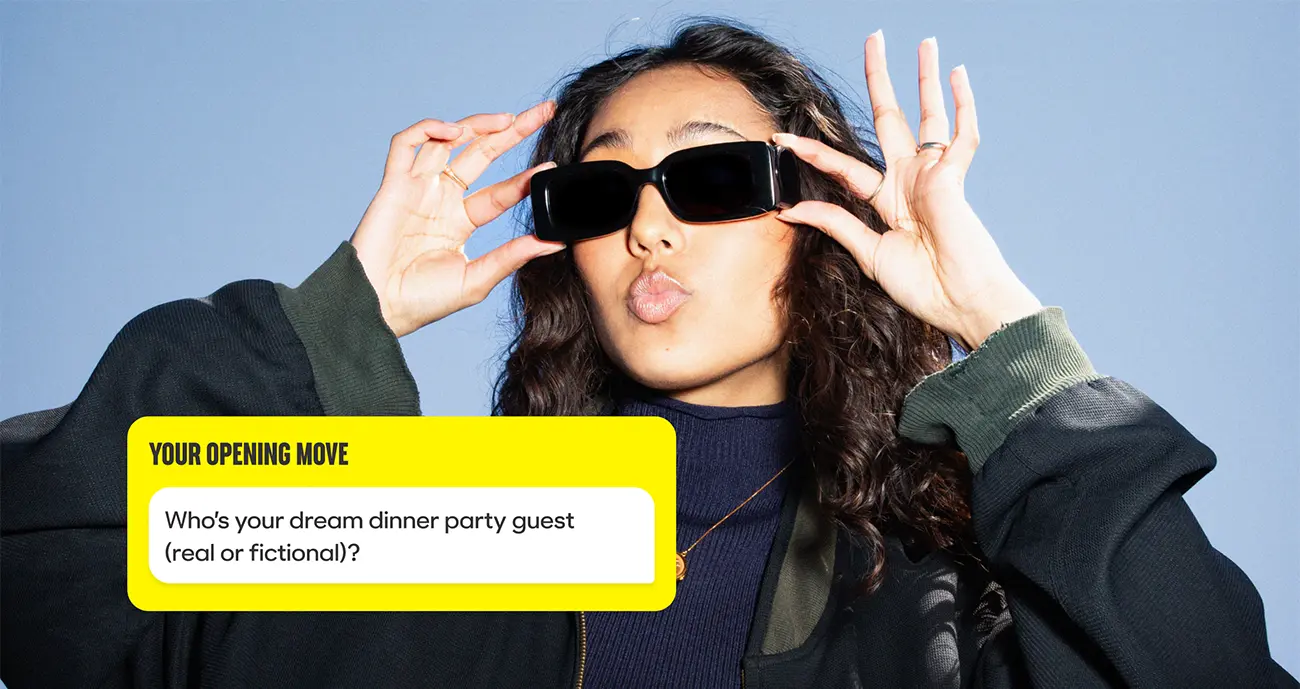
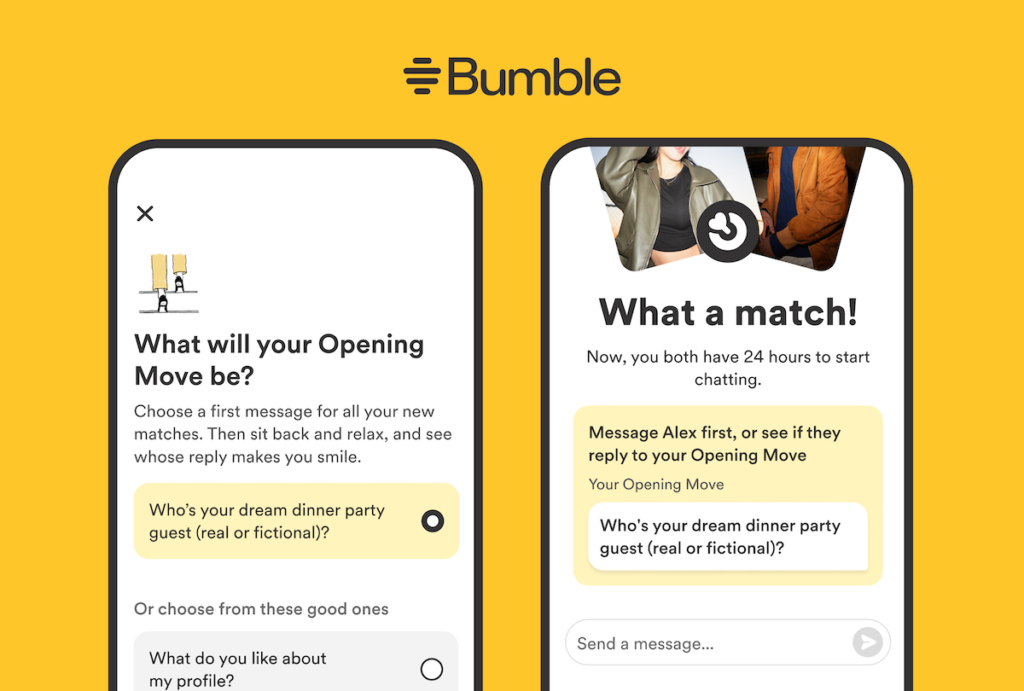
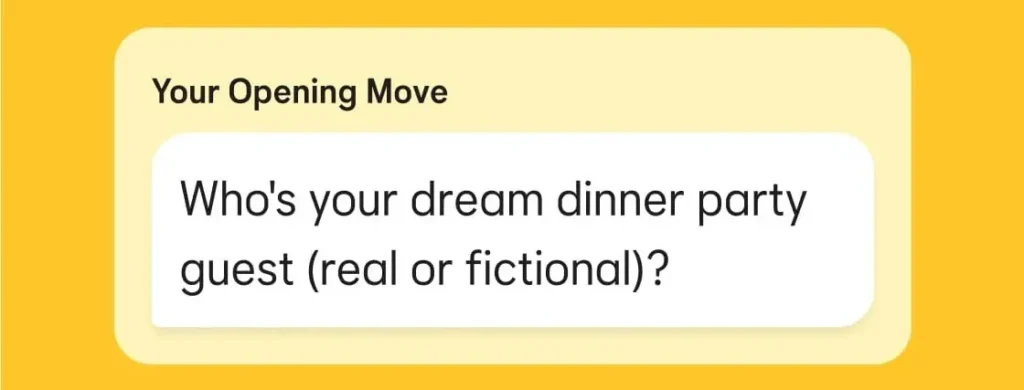
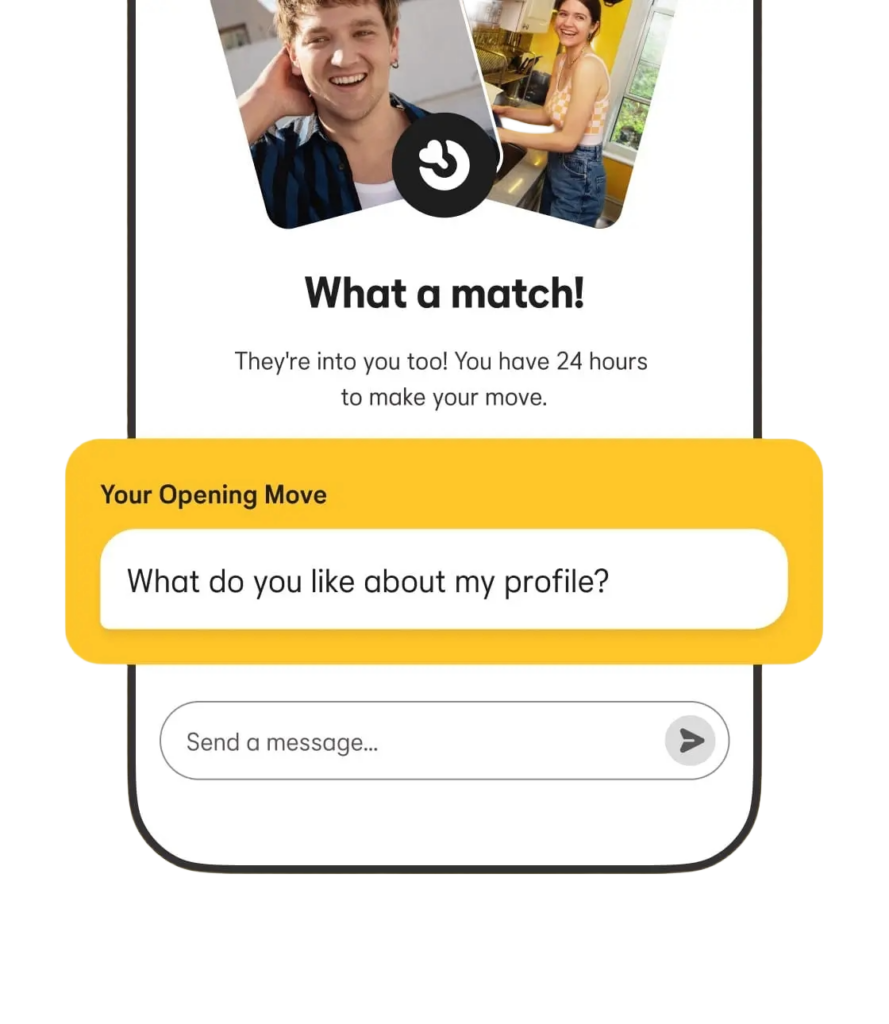
In April 2024, Bumble, an online dating app, launched a campaign to promote its “Opening Moves” feature, which allowed women the “option to set a question that their matches can respond to” (Bumble, 2024).
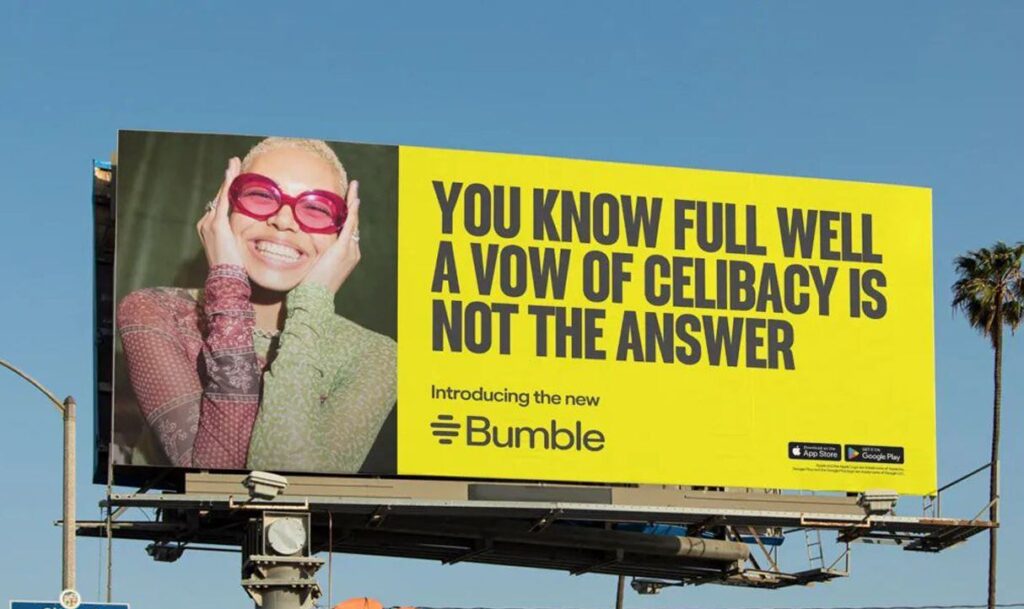
While the feature wasn’t the problem, it was how it was promoted that raised questions and backlash. It was advertised with provocative billboard slogans such as “You know full well a vow of celibacy is not the answer” or “Thou shalt not give up on dating and become a nun” (Gazdik, 2024).
Critics started to argue that it demeaned personal choices around celibacy and marginalized women and asexual communities (Owen, 2024). In response, Bumble issued an apology acknowledging the mistake, removed the ads, donated to the National Domestic Violence Hotline, and offered the billboard space to advocacy groups (Bradley, 2024).
Paid Media
1
Intro
Bumble launched a global out-of-home billboard campaign to promote its “Opening Moves” feature and rebrand, using provocative messaging intended to combat user exhaustion by encouraging conversation initiation.
2
Analysis
Using the Ecological Approach, Bumble’s campaign reflects a reactive rather than proactive communication strategy, as stakeholder responses were not fully tested before launch. While the paid campaign successfully generated attention and visibility for the brand, it ultimately became the source of the crisis instead of preventing one.
3
Missed Opportunity
Bumble missed an opportunity to pre-test its messaging with key stakeholder groups, prioritizing broad appeal over nuanced audience understanding. Early focus groups and trend monitoring could have helped anticipate negative reactions and adjust the campaign before launch.
Earned Media
1
Intro
Major media outlets, including CBS News and LGBTQ Nation, amplified the controversy by widely covering both the campaign and Bumble’s response, generating significant earned media attention despite the largely negative tone.
2
Analysis
Although Bumble eventually issued a public apology and removed the campaign, the response came after backlash had already escalated, making it largely reactive. While the one-way communication limited engagement, publicly acknowledging the mistake helped restore some credibility.
3
Missed Opportunity
Bumble missed the opportunity to proactively frame the campaign through early outreach and lacked a prepared media relations strategy. Having spokespersons and pre-approved talking points could have enabled more effective engagement once backlash emerged.
Shared Media
1
Intro
Social media users rapidly shared their criticism of the billboard campaign on platforms such as Instagram, TikTok, and Twitter with hashtags and commentary focusing on how the ad demeaned celibate and asexual communities. Even after putting out apology statements, users continued to spread their criticism over the company.
2
Analysis
Social media acted as an early-warning system, with backlash against Bumble spreading rapidly after the campaign launch. Using social listening tools could have helped the brand detect risks and adjust messaging in real time, while their donation and reallocation of billboard space demonstrated transparency and corrective action.
3
Missed Opportunity
Bumble could have worked with influencers or community groups to start a conversation while the campaign was running, instead of waiting until after people reacted negatively.
Make THE
First move
Owned Media
1
Intro
Bumble used its owned social media channels to apologize, announce donations, offer billboard space to nonprofits, and halt the campaign, signaling corrective action. However, after rebranding, many posts were removed, limiting long-term transparency and public access to their full response.
2
Analysis
Bumble leveraged owned media to control messaging, announce campaign removal, and repurpose billboard space, demonstrating post-crisis recovery. However, deleting posts after rebranding, including their apology, weakened long-term transparency and credibility.
3
Missed Opportunity
Bumble missed the chance to use owned media pre-launch to frame the campaign and explain its rebrand. Establishing a full press room with all statements, rather than just financial updates, would have improved transparency and accountability.
Conclusion
Bumble’s “Opening Moves” campaign illustrates how even a well-intentioned product launch can escalate into a crisis when messaging isn’t carefully tested or framed.
The provocative paid campaign quickly drew attention but overlooked key stakeholder perspectives, sparking backlash across earned and shared media. While Bumble’s reactive apologies, social media updates, and donations demonstrated accountability and corrective action, missed opportunities—such as pre-launch outreach, proactive media planning, and consistent use of owned channels—limited long-term transparency and credibility.
Overall, the case highlights the importance of an open-system approach in public relations: monitoring audience sentiment, anticipating risks, and strategically using PESO channels to manage both attention and reputation.
Disclaimer: This project was created solely for academic purposes. The brand(s) referenced were used as part of a class assignment, and this work is not affiliated with, endorsed by, or produced in collaboration with the company.
Kajal Reddy
This is just the beginning.