Strategic Integrated
Planning Model

Cracker Barrel Old Country Store has long positioned itself as a nostalgic, home-away-from-home brand rooted in Southern hospitality, comfort food, and tradition. This paper examines how that identity, built on emotional connection and heritage, has driven loyalty among older audiences, while also creating challenges as the brand attempts to appeal to younger consumers in a post pandemic market.
In 2025, Cracker Barrel’s rebrand aimed to modernize its image, but it sparked backlash and exposed a gap between brand intention and audience perception. Loyal customers viewed the changes as a loss of authenticity, highlighting how the campaign focused too much on visual updates and not enough on preserving emotional connection, ultimately weakening trust and effectiveness.
Statement of Problem
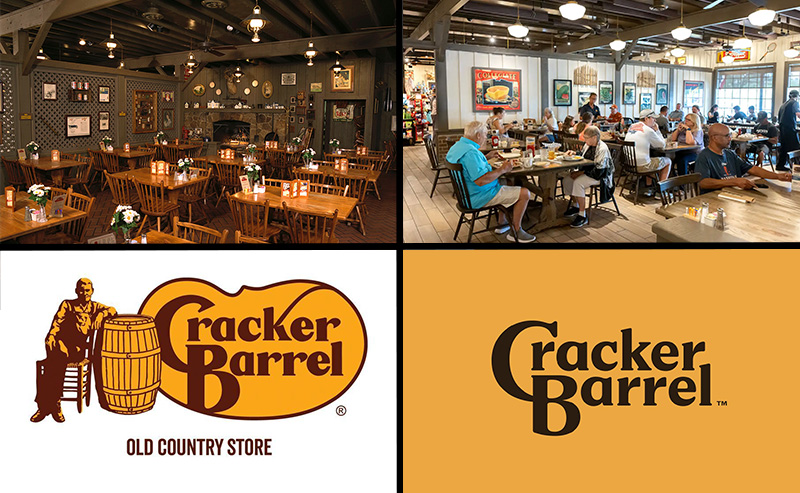
Cracker Barrel Old Country Store launched a major rebrand in August 2025 in an effort to modernize its image, regain post pandemic relevance, and attract younger audiences. The update included a simplified logo that removed the well-known “Uncle Herschel” figure, along with redesigned interiors. While the intention was to signal growth and appeal to new consumers, the brand was simultaneously trying to recover its core older customer base, creating tension between maintaining tradition and pursuing change.
The rebrand quickly sparked widespread backlash across social media, news outlets, and political commentary, with many loyal customers perceiving the changes as a loss of authenticity rather than an evolution. The reaction had immediate business consequences, including a sharp decline in stock value and reduced foot traffic, ultimately forcing the company to reverse the decision and abandon the new branding.
This situation highlights a deeper strategic issue, where the brand underestimated the emotional attachment tied to its identity. The core problem was not the act of modernization itself, but the lack of clear communication and alignment between what the company intended to represent and how audiences interpreted the change, resulting in a breakdown of trust and brand clarity.
Situational Analysis
Strengths
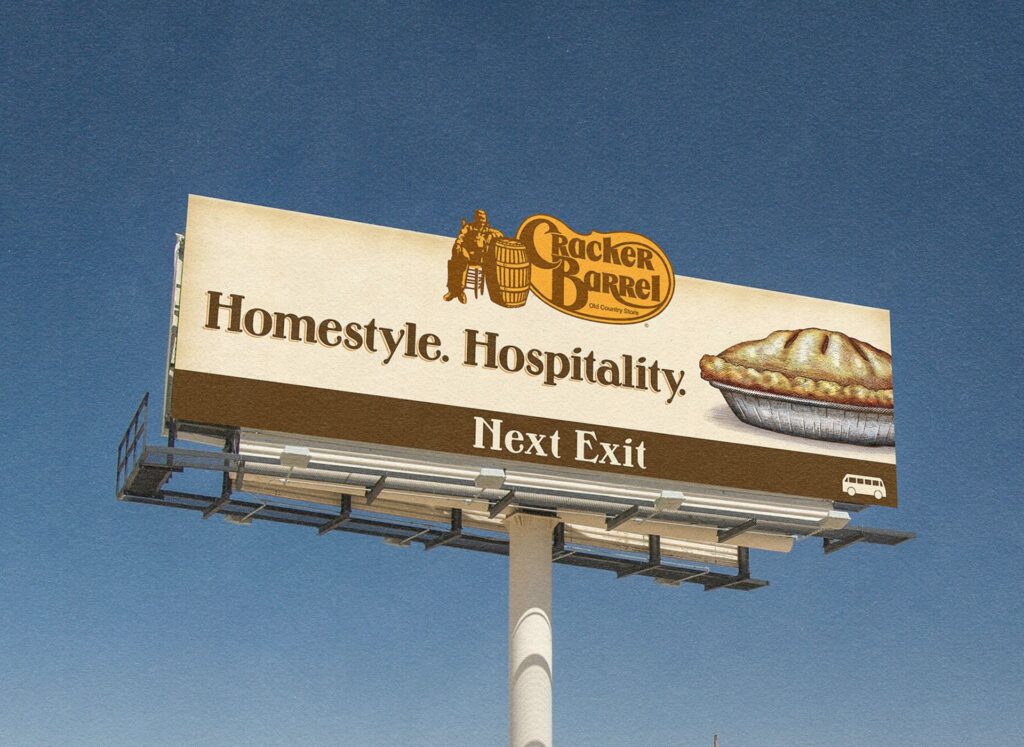
Cracker Barrel Old Country Store benefits from a strong nostalgic identity that creates deep emotional connections with its loyal customer base. Its extensive nationwide presence and established operational footprint provide stability, while its multi-channel marketing efforts, spanning traditional billboards to digital platforms, support consistent brand visibility. Additionally, its dual business model combining dining and retail allows for diversified revenue streams beyond the restaurant experience.
Weaknesses
Despite its strong legacy, Cracker Barrel’s customer base skews older, limiting its appeal to younger demographics and slowing long term growth. The company has also faced declining profitability due to rising operating costs and inefficiencies. Furthermore, its operations remain limited to the United States, restricting its ability to expand and compete with more globally diversified brands.
Opportunities
Cracker Barrel has the opportunity to evolve as a legacy brand by modernizing while maintaining its authenticity, which resonates with today’s consumers. Growth in the US e commerce market presents a chance to expand its retail and digital presence, while increased investment in digital platforms and engagement strategies can help attract younger audiences and strengthen overall brand relevance.
Threats
The brand operates in a highly sensitive cultural environment where even minor changes, such as a logo update, can be interpreted as ideological shifts, increasing the risk of backlash. Economic pressures may also lead consumers to reduce dining out, while rising labor costs and operational expenses threaten profitability. Additionally, intense competition within the restaurant and retail industries puts pressure on Cracker Barrel to continuously differentiate itself.
Strategic Insights
Cracker Barrel Old Country Store’s strongest asset lies in its nostalgic identity and deeply loyal customer base, but this also creates risk when pursuing modernization, as changes can easily alienate core audiences if not carefully managed. Future campaigns must strike a balance between preserving tradition and introducing innovation to maintain trust while evolving the brand.
At the same time, the brand’s unique combination of homestyle dining and retail offerings remains a key differentiator that should be more clearly emphasized in its positioning. The rebrand also highlighted an overreliance on traditional marketing channels, suggesting a need for stronger digital and social media strategies to better control narratives, engage audiences, and respond to public reaction in real time.
Communication Goals and Objectives
Cracker Barrel Old Country Store aimed to modernize its brand while preserving its core identity by updating its visual system to feel more simplified, warm, and digitally adaptable. A key goal was to reposition the brand to attract younger consumers, signaling relevance and growth in a post pandemic market, while still maintaining its traditional Southern identity. This included measurable objectives such as increasing brand relevance among younger audiences, boosting digital engagement through platforms like mobile ordering and e commerce, and sustaining loyalty among its existing older customer base.
However, the campaign revealed critical gaps in execution. The brand underestimated the emotional attachment tied to its legacy and failed to clearly communicate why modernization was necessary. Messaging focused heavily on what was changing, rather than reinforcing what would remain consistent, leading to confusion and disconnect across audiences. While the strategy showed a clear intent to balance attracting new consumers with retaining loyal ones, it ultimately leaned too far into transformation without preserving emotional continuity. Moving forward, the brand must better emphasize its core values of comfort and familiarity while finding more authentic ways to make that experience relevant to younger generations.
Current Brand Perception
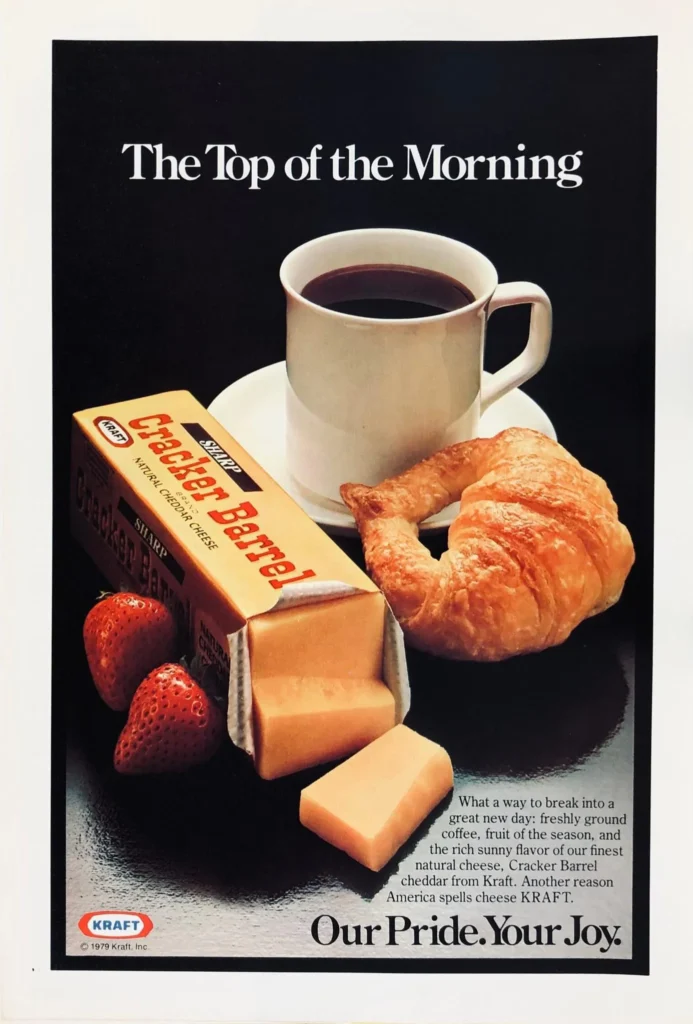
Before the rebrand, Cracker Barrel was widely seen as a nostalgic, family-oriented brand known for its Southern comfort food, country decor, and traditional values — a familiar stop for older travelers and families.
However, after the rebrand, audiences became divided: loyal customers viewed the changes as abandoning the brand’s heritage, while younger audiences remained largely unconvinced that the rebrand reflected genuine modernization.

Desired Brand Perception
Cracker Barrel wants to bring back and maintain its warm, family-friendly image that reflects Southern charm and tradition, while also appealing to younger audiences who appreciate authentic and welcoming experiences. The goal is to connect with new audiences without losing the loyal customers who value its sense of comfort and familiarity.
Strategies
1
Celebrity endorsements
Partnered with country artist Jordan Davis in the “All the More” campaign to reinforce authenticity, relatability, and emotional connection, helping the brand resonate with younger audiences while staying rooted in its Southern identity.
2
Modern visual identity
Introduced a simplified, more legible logo designed for consistency across digital platforms, signage, and packaging—balancing modern usability with recognizable brand elements.
3
Repositioning toward younger audiences
Refreshed branding and messaging to emphasize authenticity, inclusivity, and experience, aiming to broaden appeal beyond longtime customers while maintaining nostalgic ties.
4
Phased rollout and responsive communication:
Tested changes in select locations before wider implementation, then adjusted strategy with reassuring messaging to stakeholders following feedback and backlash, demonstrating a flexible, audience-aware approach.